

Movement is vital at every stage.
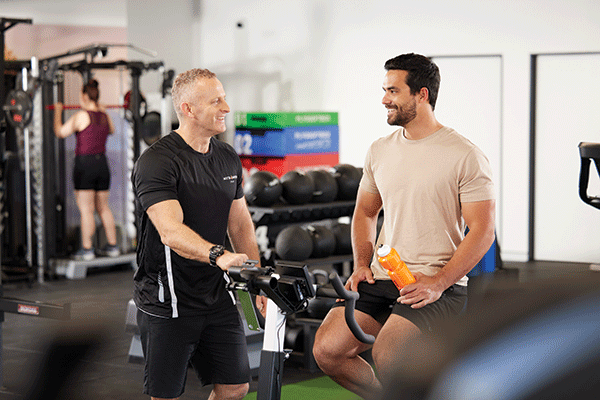
When veterans begin to transition into civilian life after leaving the Defence Force, the loss of structure, loss of team camaraderie and motivation and changing priorities can lead to a reduction in overall physical activity.
Veterans may see an increase in sedentary behaviour, potential weight gain, injuries exacerbated, loss of strength, increased risk of chronic illness (e.g., heart disease, diabetes, etc.) and mental health impacts if not proactively managed.
Research shows that engaging in a valued and effective physical activity program during and post the transition from the Defence Force promotes positive health and wellbeing outcomes for veterans. Interestingly, further research from the US highlights that those with higher physical activity levels prior to transitioning were more likely to experience sharper declines in both physical activity and psychological wellbeing once they left service.
What this tells us is that high fitness levels during service does not automatically protect veterans from future health challenges. It’s important to keep being physically active following transition.
Just like how your health and wellbeing is likely to change following your transition from the Defence Force, it will keep changing as you get older. Early access to support and guidance, particularly just before or during transition, is critical to help veterans establish sustainable, long-term approaches to physical activity, health and wellbeing, particularly as they age.

The type of movement simply adapts:
In your 30s and 40s: Focus often shifts to balancing work, family and fitness. Strength training and mobility work become key for maintaining muscle and preventing injuries. Building good lifting technique and consistency now sets you up for healthy ageing later.
In your 50s and 60s: While recovery may take longer, continuing to participate in moderate to vigorous exercise, such as resistance training, is crucial for preserving muscle mass, bone density and metabolic health. Low-impact cardio like swimming or cycling can complement, not replace, moderate to vigorous exercise. Core strength and balance training further reduce fall risk and improve daily function.
In your 70s and beyond: The goal shifts to maintaining independence, joint health and daily functionality – but moderate exercise, particularly resistance training, should still form the foundation of movement. Appropriately loaded strength training (using weights, machines or body weight) helps slow muscle loss, supports balance and keeps everyday tasks easier. Gentle walking, stretching and social activities like group classes can supplement this to support both body and mind.
The Mates4Mates physical rehabilitation team comprises of exercise physiologists and physiotherapists who are here to support veterans and their families at RSL Queensland Veteran & Family Wellbeing Centres across Queensland through one-on-one appointments and group exercise classes.
They can provide education on how to self-manage your physical health through simple and achievable principles and programs. This includes injury management and chronic disease management (e.g., diabetes, high cholesterol, hypertension, heart disease, persistent pain, etc.) as well as exercising for mental health (including PTSD).
Veterans and families can also access mental health and wellbeing services with a team of Mates4Mates psychologists, counsellors and social workers who will provide a non-judgemental and safe space to talk about distressing experiences.
For more information about how Mates4Mates can support you, make the call that makes the difference on 1300 4 MATES (62 937) for a confidential chat or visit mates4mates.org