

The recovery journey for veterans
Starting a recovery journey after service can feel complex and overwhelming. But there is support available.
Transitioning from the Defence Force to civilian life can be a significant adjustment. While many veterans adapt well, others may experience distress, feel unsure where to turn, or struggle to access the right support at the right time. Recovery can be strengthened by motivation and practical action, but it is rarely a straight line.
Common challenges during recovery
Some veterans may experience post-traumatic stress, anxiety, depression, moral injury, or the ongoing impact of physical injuries. Others may face barriers such as long wait times, unfamiliar civilian health systems, or difficulty finding local providers who understand veteran health and wellbeing.
Recognising these challenges is important. Veteran-informed support can help people build psychological flexibility, reduce negative self-talk, focus on what matters, and set realistic goals for their recovery.
Taking a holistic approach
Recovery involves many connected parts of life, not just one area of wellbeing. Mental, physical, emotional and social wellbeing are often closely linked, so challenges in one area can affect another.
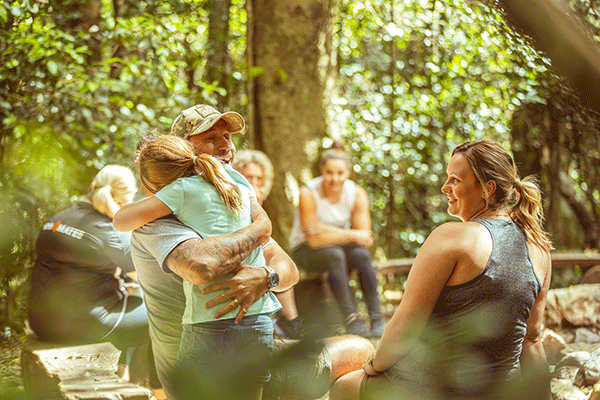
A holistic approach supports the whole person. It can help veterans build meaningful connections, access safe spaces, feel seen and heard, and take an active role in goals that support long-term wellbeing.
- Manage distress, build coping strategies and navigate difficult days with more confidence.
- Improve mobility, independence and daily functioning through physical rehabilitation.
- Strengthen social connection, reduce isolation and build a greater sense of belonging.
What healthy recovery looks like
Signs of progress may include stronger relationships, improved daily functioning, healthier routines and a renewed sense of purpose. Veterans may notice they are using strategies to improve sleep, reduce stress, stay connected with family or friends, and manage challenging days more easily.
Setbacks are also normal. Trying to return to a previous idea of “perfect” or “normal” can add pressure, while small wins and steady changes over time can show recovery is moving in a positive direction.
Helpful strategies during recovery
Helpful strategies can include trauma-informed care, evidence-based therapies and peer support networks. These approaches can help address mental and physical wellbeing, build trust, and promote safety and connection in civilian communities.
Noticing early warning signs and starting conversations without judgement can encourage veterans to seek help sooner, before concerns become harder to manage. Reducing stigma and barriers to support also helps create a stronger recovery culture.
First steps towards support
Within Veteran & Family Wellbeing Centres, Mates4Mates services offer holistic, wrap-around support for veterans beginning or continuing their recovery journey.
Whether support is needed for mental health, physical rehabilitation, connection with other RSL Queensland services, or social connection, veterans can be reassured they will be met with understanding at every stage of transition and recovery.
To find out how Mates4Mates can support you, call 1300 4 MATES (62 837) for a confidential chat or visit mates4mates.org


