


The Value and Flexibility of the Virtual Learning Community
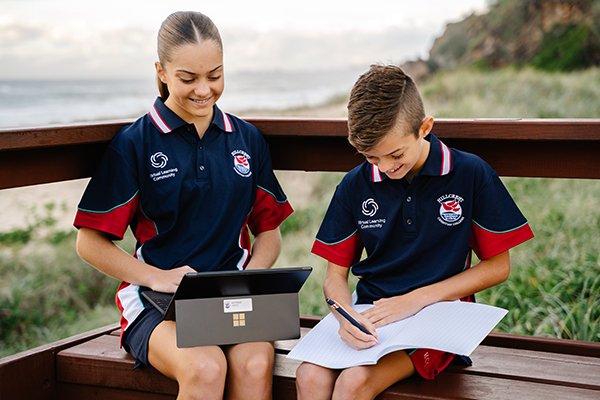
Education is changing, and families are increasingly looking for learning experiences that provide both academic excellence and the flexibility to fit around the realities of modern family life. The Virtual Learning Community offers a different approach to education — one that connects students with a supportive school community while giving families greater choice in how, when and where learning takes place.
At its heart, the Virtual Learning Community is about flexibility without sacrificing connection, structure or opportunity. It provides students with access to quality learning, experienced educators and a broader school community, while allowing families to create a learning routine that works for their individual circumstances.
For families living in regional and rural communities, this flexibility can be particularly valuable. Distance, transport, limited local subject choices and changing family commitments can all influence educational decisions. Virtual learning can help overcome these barriers by bringing learning opportunities directly into the home, reducing the importance of geographical location and allowing students to participate in an educational community regardless of where they live.
Flexibility also means recognising that every student learns differently. Some students thrive with a structured daily routine, while others benefit from greater independence and the ability to work at a different pace. Families may need to accommodate sport, travel, performing arts, employment, medical appointments or other commitments. A virtual learning model can provide the adaptability necessary to support these individual circumstances while maintaining clear educational expectations.
Importantly, flexibility does not mean learning alone.
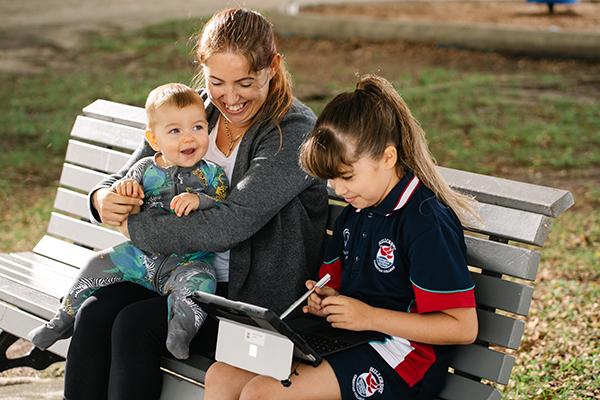
A strong Virtual Learning Community creates opportunities for students to connect with teachers and peers, participate in collaborative learning, engage in school activities and develop relationships beyond the immediate classroom. Technology becomes a tool for connection rather than a barrier to it, creating opportunities for students to feel part of something larger than their own home learning environment.
For parents, the model can also provide greater involvement and visibility into their child’s educational journey. Families can better understand learning expectations, progress and opportunities while working in partnership with educators to support their child’s development.
The benefits extend beyond academic learning. A connected virtual community can help students develop independence, organisation, communication, digital literacy and self-management — skills that are increasingly important in further education, employment and everyday life.
The Virtual Learning Community is therefore not simply an alternative to traditional schooling. It is an opportunity to rethink what a contemporary education can look like.
It offers choice, connection and flexibility, while maintaining the importance of relationships, academic growth and belonging.
For families seeking an education that can adapt to their circumstances rather than requiring their circumstances to adapt to school, the Virtual Learning Community provides a pathway that brings together the best elements of structured education and flexible learning.
Most importantly, it recognises that there is no single definition of what a successful learning experience looks like. Every family is different, every student is unique, and education should have the flexibility to reflect that.
Discover how the Virtual Learning Community could support your family and provide a flexible, connected approach to learning.
https://virtual.hillcrest.qld.edu.au/